Learn About Bitcoin
What is Bitcoin?
What is Bicoin?
Bitcoin (BTC) is a cryptocurrency designed to act as money and as a form of payment outside the control of any one person, group, or entity. This removes the need for trusted third-party involvement (e.g., a mint or bank) in financial transactions.
Bitcoin was introduced to the public in 2008 by an anonymous developer or group of developers known as Satoshi Nakamoto. It has since become the most well-known and largest cryptocurrency in the world, and its popularity has inspired the development of many other cryptocurrencies
How Bitcoin Started
In October 2008, Nakamoto announced to the cryptography mailing list at metzdowd.com: "I've been working on a new electronic cash system that's fully peer-to-peer, with no trusted third party." The now-famous white paper published on Bitcoin.org, entitled "Bitcoin: A Peer-to-Peer Electronic Cash System," would become the Magna Carta for how Bitcoin operates today.
How Bitcoin Works
Bitcoin functions through a combination of technologies, including blockchain, mining, and peer-to-peer networking. Here's how a typical Bitcoin transaction works:
- Transaction creation. A sender initiates a transaction by specifying the recipient's wallet address and the amount to send.
- Transaction signing. The sender uses their private key to digitally sign the transaction, proving ownership.
- Broadcasting. The signed transaction is broadcast to the Bitcoin network.
- Verification. Servers called nodes verify the transaction's validity.
- Mining. Verified transactions are included in a block and added to the blockchain.
- Confirmation. Once included in the blockchain, the transaction is confirmed.
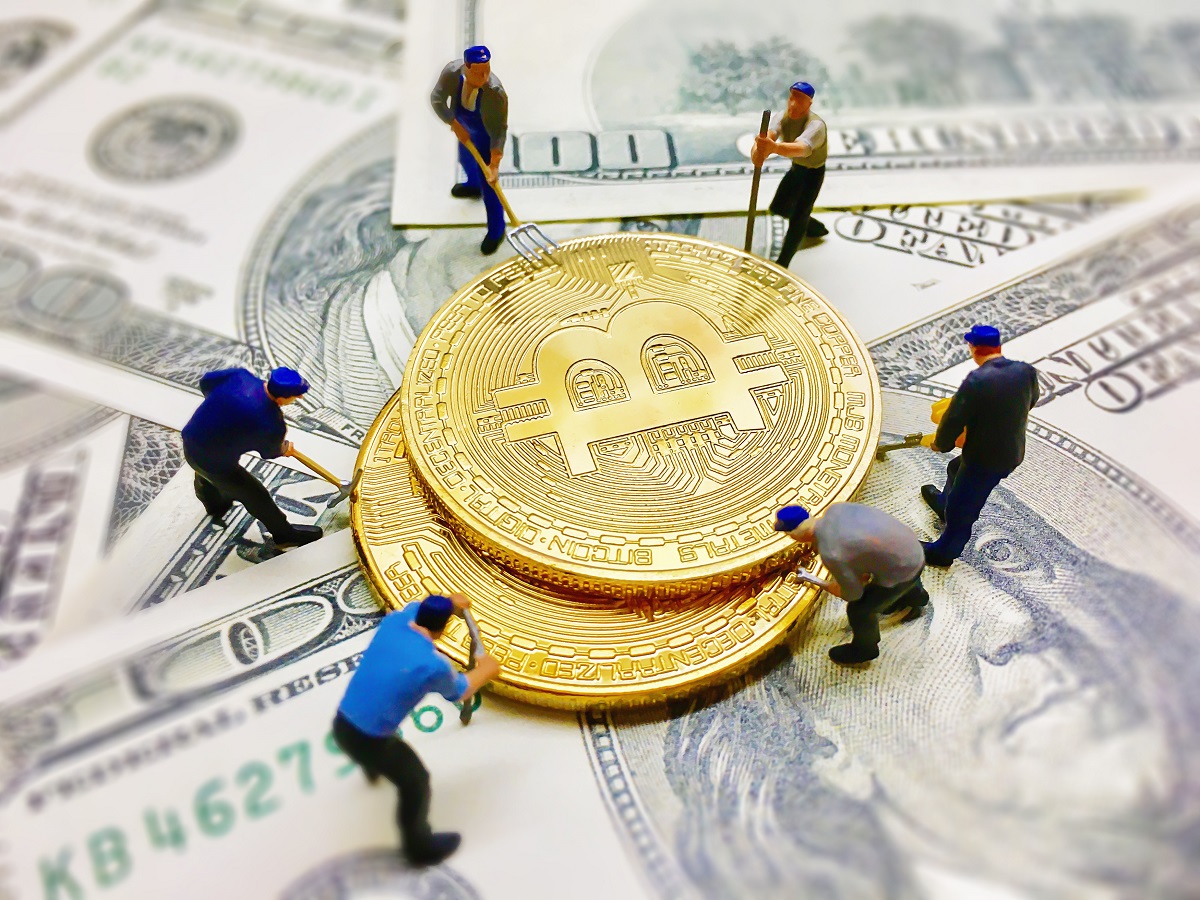
The Bitcoin network maintains its integrity through a consensus mechanism called proof of work (PoW). Miners compete to solve complex mathematical puzzles, and the first to succeed gets to add a new block to the blockchain and receives a reward in newly created bitcoins.
What you need to use Bitcoin
To start using Bitcoin, you need a few essential tools:
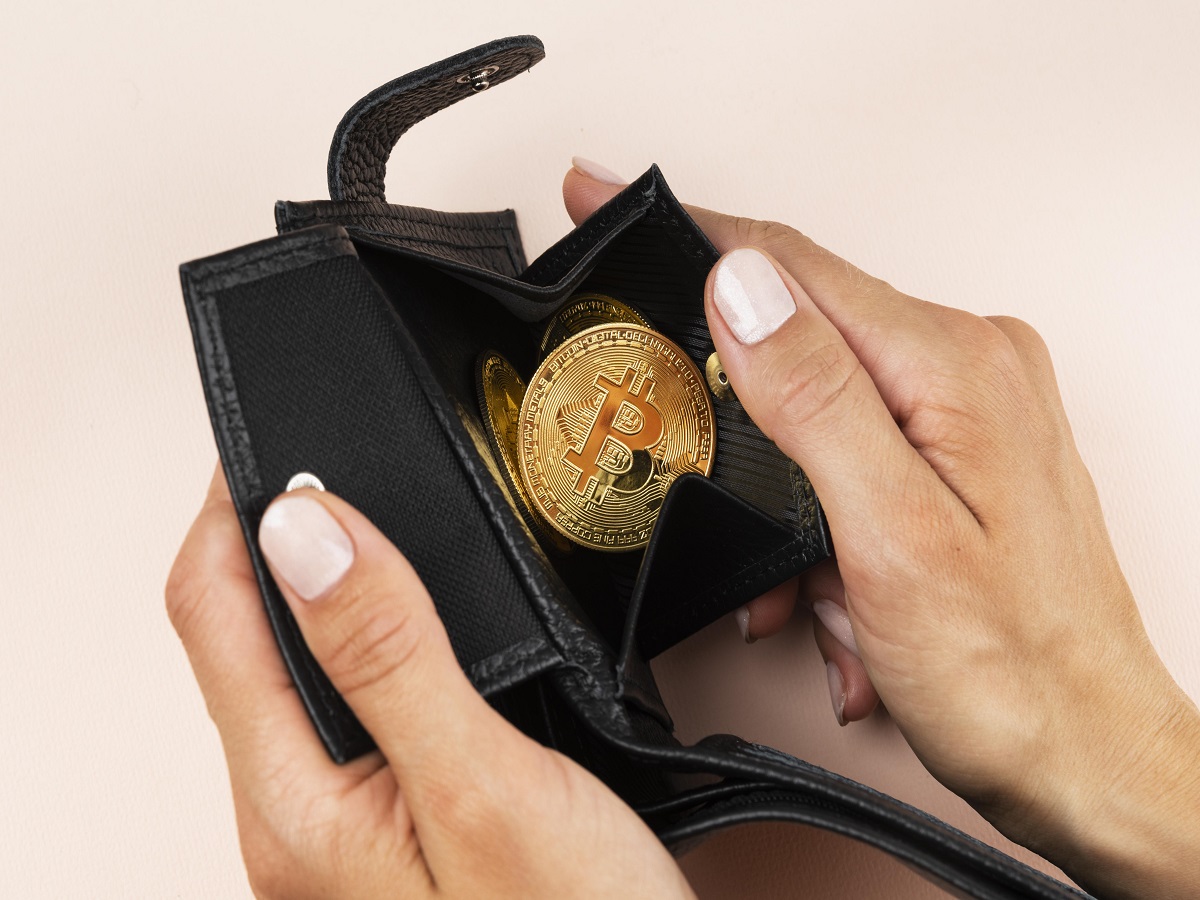
- Bitcoin wallet. A software that stores your private keys and enables you to send and receive bitcoins.Wallets can be mobile apps, desktop programs, hardware devices, or web services. They often have built-in security features to keep your bitcoins safe.
- Public key. Your Bitcoin wallet provides you with a public key, a cryptographic code derived from a private key that allows you to receive cryptocurrency.
- Private key. A private key is a 256-bit number that is used to sign transactions, granting access to and control over Bitcoin funds associated with a specific address. Keeping your private key secure is crucial, as it provides complete control over your bitcoins.
- Internet access. Bitcoin operates entirely online through its decentralized network.
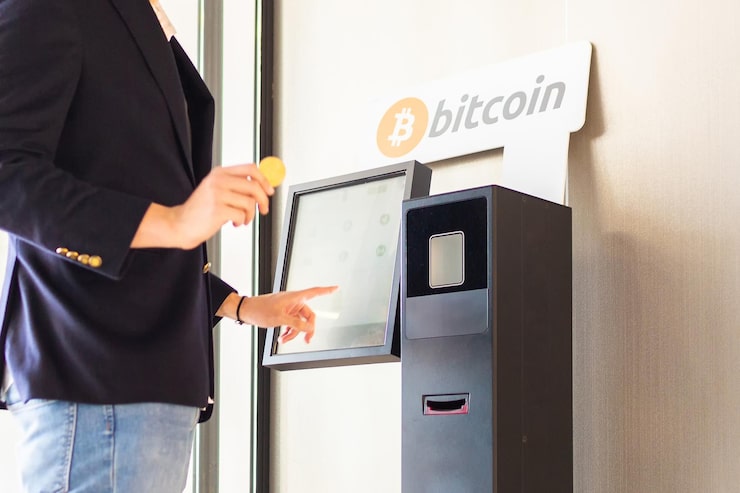
- Bitcoin exchange. To acquire Bitcoin using traditional currency or other cryptocurrencies, you can use an exchange, a mobile payment app, a Bitcoin ATM, a peer-to-peer platform, an alternative platform, or even a traditional broker.
Some things you need to know about Bitcoin
If you're getting started with Bitcoin, there are a few things you should know. Bitcoin lets you exchange money and transact in a different way than you normally do. As such, you should take time to inform yourself before using Bitcoin for any serious transaction. Bitcoin should be treated with the same care as your regular wallet, or even more in some cases!
Securing your wallet
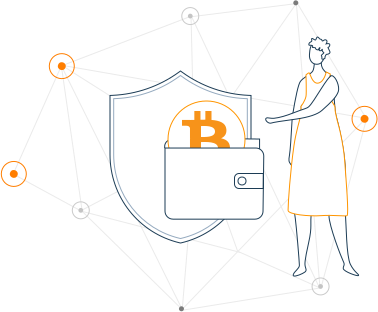
Like in real life, your wallet must be secured. Bitcoin makes it possible to transfer value anywhere in a very easy way and it allows you to be in control of your money. Such great features also come with great security concerns. At the same time, Bitcoin can provide very high levels of security if used correctly. Always remember that it is your responsibility to adopt good practices in order to protect your money. Read more about securing your wallet.
Bitcoin price is volatile
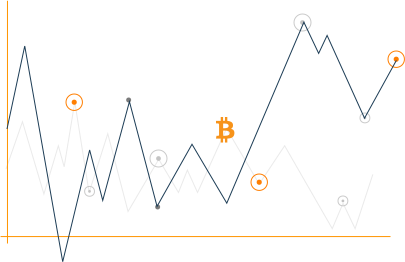
The price of a bitcoin can unpredictably increase or decrease over a short period of time due to its young economy, novel nature, and sometimes illiquid markets. Consequently, keeping your savings with Bitcoin is not recommended at this point. Bitcoin should be seen like a high risk asset, and you should never store money that you cannot afford to lose with Bitcoin. If you receive payments with Bitcoin, many service providers can convert them to your local currency.
Bitcoin payments are irreversible
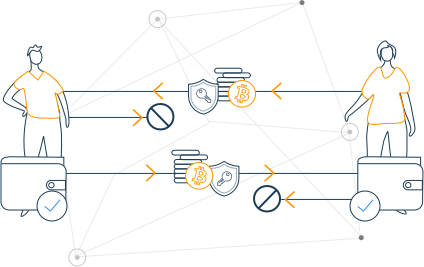
A Bitcoin transaction cannot be reversed, it can only be refunded by the person receiving the funds. This means you should take care to do business with people and organizations you know and trust, or who have an established reputation. For their part, businesses need to keep track of the payment requests they are displaying to their customers. Bitcoin can detect typos and usually won't let you send money to an invalid address by mistake, but it's best to have controls in place for additional safety and redundancy.

Bitcoin is not anonymous
Some effort is required to protect your privacy with Bitcoin. All Bitcoin transactions are stored publicly and permanently on the network, which means anyone can see the balance and transactions of any Bitcoin address. However, the identity of the user behind an address remains unknown until information is revealed during a purchase or in other circumstances. This is one reason why Bitcoin addresses should only be used once. Always remember that it is your responsibility to adopt good practices in order to protect your privacy.
Bitcoin is still experimental
Bitcoin is an experimental new currency that is in active development. Each improvement makes Bitcoin more appealing but also reveals new challenges as Bitcoin adoption grows. During these growing pains you might encounter increased fees, slower confirmations, or even more severe issues. Be prepared for problems and consult a technical expert before making any major investments, but keep in mind that nobody can predict Bitcoin's future.
Government taxes and regulations
Bitcoin is not an official currency. That said, most jurisdictions still require you to pay income, sales, payroll, and capital gains taxes on anything that has value, including bitcoins. It is your responsibility to ensure that you adhere to tax and other legal or regulatory mandates issued by your government and/or local municipalities.